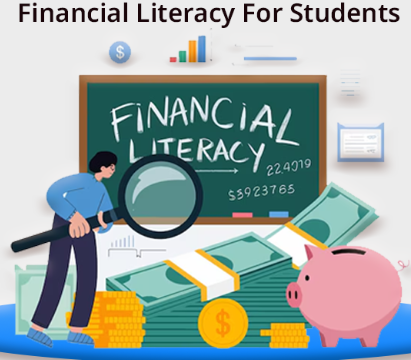
Learning finance and the stock market step by step is one of the best ways to build lasting financial knowledge. Many people feel overwhelmed when they first encounter financial terms and market concepts, but these topics become much easier to understand when approached gradually. By focusing on one concept at a time, learners can develop confidence and create a strong foundation for future financial growth.
The first step in financial education is understanding personal finance. Personal finance involves managing income, expenses, savings, and financial goals. These are concepts that affect daily life and provide a practical starting point for anyone interested in improving financial literacy. Learning how money flows in and out of a household helps individuals make more informed decisions and build healthier financial habits.
Once the basics of personal finance are understood, budgeting becomes an important next step. A budget is a simple plan that helps organize spending and saving. It allows individuals to see where their money is being used and whether their financial habits align with their goals. Budgeting encourages awareness and helps create a sense of control over personal finances.
The next step is learning about saving. Saving money regularly teaches discipline and highlights the importance of preparing for future needs. It also helps individuals develop patience, as many financial goals require consistent effort over time. Understanding the value of saving is an important part of building long-term financial confidence.
After becoming familiar with these fundamentals, learners can begin exploring the stock market. The first concept to understand is that a stock represents ownership in a company. When someone owns stock, they own a small part of a business. This simple idea helps explain why company performance and economic conditions can influence stock prices.
As knowledge grows, learners can explore how businesses operate and how financial markets reflect economic activity. Understanding these relationships makes financial news easier to follow and provides valuable context for market discussions. Learning step by step prevents information overload and allows concepts to become clearer over time.
Risk awareness is another important stage in financial education. Every financial decision involves uncertainty, and understanding risk helps individuals evaluate choices more carefully. This knowledge encourages thoughtful decision-making and supports realistic expectations.
Long-term thinking is also essential. Financial knowledge and financial growth often develop gradually. Individuals who remain patient and committed to learning are more likely to build strong habits and maintain confidence during changing circumstances.
Learning finance and the stock market step by step helps transform complex topics into manageable lessons. By understanding personal finance, budgeting, saving, stock ownership, risk awareness, and long-term planning, individuals can develop stronger financial literacy and create a solid foundation for informed financial decisions throughout their lives.