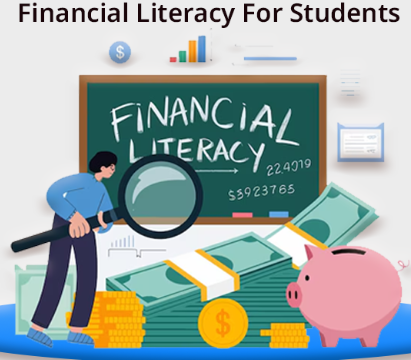
Finance and stock awareness can play an important role in helping individuals make better plans for the future.
Understanding basic financial concepts and gaining familiarity with stock markets allows people to approach decisions with greater knowledge and confidence.
While financial planning may seem challenging at first, developing awareness of how money and markets work can make the process more manageable and effective.
One of the primary benefits of financial awareness is understanding how daily financial decisions influence long-term outcomes. Learning about income, expenses, savings, and budgeting helps individuals see the bigger picture of their financial situation. This knowledge encourages thoughtful planning and supports decisions that align with personal goals and priorities.
Budgeting is one of the most practical examples of financial planning. When individuals create a budget, they gain a clearer understanding of how resources are being used. This awareness helps identify areas where adjustments can be made and allows for more efficient use of income. As a result, people are often better prepared to achieve both short-term and long-term objectives.
Saving is another important part of effective planning. Financial awareness highlights the value of setting aside money consistently for future needs. Whether preparing for educational opportunities, major purchases, or unexpected situations, savings can provide flexibility and peace of mind. Understanding the importance of saving encourages a proactive approach to financial management.
Stock market awareness also contributes to better planning by helping individuals understand how businesses and economies operate. Learning that stocks represent ownership in companies provides insight into how value is created over time. This knowledge can encourage broader thinking about financial growth and long-term financial goals.
Another important aspect of planning is understanding risk. Every financial decision involves some level of uncertainty, and awareness of risk helps individuals evaluate opportunities more carefully. Rather than making decisions based solely on emotions or assumptions, financially informed individuals are often better equipped to weigh potential outcomes and make balanced choices.
Long-term thinking is a key lesson that finance and stock education often reinforces. Meaningful financial progress typically develops through patience, consistency, and informed decisions rather than quick results. Individuals who adopt a long-term perspective are often better prepared to stay focused on their goals and adapt to changing circumstances.
Continuous learning further strengthens planning skills. Financial markets, technologies, and economic conditions evolve over time, making ongoing education valuable. Staying informed helps individuals refine their plans and respond more effectively to new opportunities and challenges.
Finance and stock awareness encourages better planning by providing practical knowledge and valuable insights. By understanding budgeting, saving, stock market fundamentals, risk management, and long-term thinking, individuals can build stronger financial habits and make decisions that support a more organized, confident, and successful future.