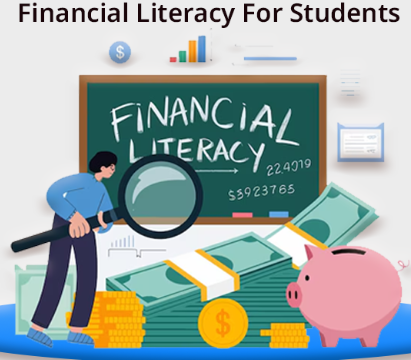
Finance and stock market topics often seem complicated when people first encounter them.
However, many of the most important concepts can be understood through simple explanations and practical examples.
Learning these fundamentals can help individuals feel more confident about managing money and understanding how financial markets work in everyday life.
One of the most basic finance concepts is income. Income is the money a person receives from work, business activities, or other sources. It serves as the foundation for many financial decisions because it determines the resources available for spending, saving, and planning.
Expenses are another key concept. Expenses represent the money spent on daily needs, services, and other purchases. Understanding the relationship between income and expenses helps individuals maintain financial balance and make thoughtful choices about how they use their resources.
Saving is a simple but powerful financial habit. Saving means setting aside a portion of money for future use rather than spending it immediately. This practice can help prepare for unexpected situations and support long-term goals. Many people find that regular saving contributes to greater financial confidence and stability.
Budgeting is the process of creating a plan for managing money. A budget helps organize income and expenses so that financial priorities can be clearly identified. By following a budget, individuals often gain a better understanding of their financial habits and can make adjustments when necessary.
When it comes to stocks, one of the easiest concepts to understand is ownership. A stock represents a small share of a company. When someone owns a stock, they own a small part of that business. This connection helps explain why company performance can influence stock values.
Another important stock concept is market movement. Stock prices can rise or fall based on factors such as company results, economic conditions, and investor expectations. These changes are a normal part of financial markets and reflect how people view future business performance.
Risk is another term often discussed in finance. Risk refers to the possibility that an outcome may differ from expectations. Understanding risk helps individuals evaluate opportunities carefully and make balanced decisions based on their goals and circumstances.
Long-term planning is a final concept that many people appreciate. Rather than focusing only on immediate results, long-term planning encourages consistent actions and thoughtful decision-making over time.
Finance and stock concepts become much easier to understand when explained in simple terms. By learning about income, expenses, saving, budgeting, stock ownership, risk, and long-term planning, individuals can build a strong foundation of knowledge that supports financial awareness, confidence, and informed decision-making throughout life.