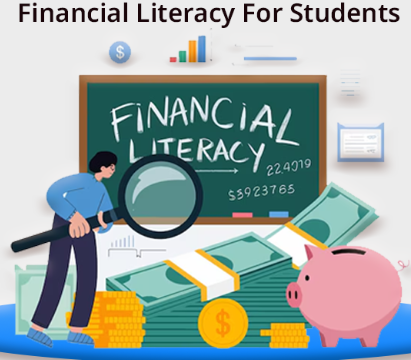
Financial knowledge is one of the most valuable skills a person can develop.
It supports informed decision-making, encourages responsible money management, and helps individuals better understand the financial world around them.
Finance and stock learning provide an excellent pathway for building this knowledge, offering practical lessons that can be applied throughout life.
The journey toward financial understanding often begins with learning basic personal finance concepts. Understanding income, expenses, budgeting, and saving creates a strong foundation for making everyday financial decisions. These concepts help individuals gain a clearer picture of their financial situation and develop habits that support long-term stability.
Budgeting is one of the most effective tools for building financial knowledge. A budget helps organize spending and provides insight into how money is used. By tracking financial activity, individuals can identify patterns, make adjustments when needed, and become more aware of their financial priorities. Over time, budgeting transforms financial awareness into practical experience.
Saving is another important lesson in financial education. Consistently setting aside money teaches discipline and encourages future-focused thinking. Learning the value of saving helps individuals prepare for unexpected expenses and future opportunities while strengthening overall financial confidence.
Stock learning introduces an additional layer of financial understanding. Stocks represent ownership in companies, and learning this concept helps individuals connect investing with real-world businesses. As people explore how companies operate and create value, they gain a broader understanding of economic activity and market behavior.
Another important aspect of stock education is understanding how markets respond to various factors. Company performance, industry trends, and economic conditions can all influence stock prices. Learning about these relationships helps individuals develop a more informed perspective and appreciate the complexity of financial markets.
Risk awareness is also an essential part of financial knowledge. Every financial decision involves some level of uncertainty, and understanding risk helps individuals evaluate opportunities more thoughtfully. This knowledge encourages balanced decision-making and supports realistic expectations.
Continuous learning plays a key role in financial growth. Financial concepts become easier to understand when explored consistently over time. Reading educational materials, following financial news, and learning from experience all contribute to a deeper understanding of finance and investing.
Patience is another valuable lesson gained through finance and stock learning. Meaningful knowledge and financial progress often develop gradually rather than instantly. Individuals who commit to learning step by step frequently build stronger foundations and greater confidence.
Building financial knowledge through finance and stock learning is a rewarding process that can benefit individuals throughout their lives. By understanding budgeting, saving, investing basics, risk awareness, and long-term planning, people can develop practical skills that support financial confidence, informed decision-making, and a stronger future.