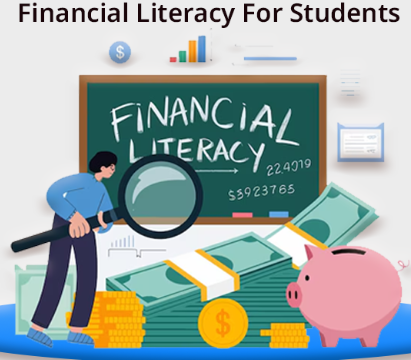
Understanding finance and stock markets responsibly is an important skill that can help individuals make thoughtful decisions and develop a balanced perspective on money and investing.
While financial topics often receive significant attention, responsible learning focuses on building knowledge, managing expectations, and making informed choices rather than seeking quick results.
This approach supports long-term financial awareness and confidence.
A good starting point is understanding personal finance. Personal finance includes managing income, expenses, savings, and financial goals. Learning how these elements work together provides a strong foundation for making responsible decisions. When individuals understand their financial situation clearly, they are better equipped to plan for the future and respond to changing circumstances.
Budgeting is one of the most practical tools for responsible financial management. A budget helps organize spending and ensures that financial resources are used in a purposeful way. By tracking expenses and reviewing financial habits regularly, individuals can make adjustments that support their goals and priorities.
Saving is another important aspect of responsible financial behavior. Setting aside money consistently helps create stability and prepares individuals for unexpected expenses or future opportunities. Responsible saving habits encourage patience and long-term thinking, both of which are valuable qualities in financial planning.
When learning about stock markets, it is important to understand that stocks represent ownership in companies. Stock prices can rise and fall based on company performance, industry developments, and economic conditions. Responsible investors focus on understanding these factors rather than relying on speculation or short-term market movements.
Risk awareness is also a key part of responsible financial education. Every investment and financial decision involves some level of uncertainty. Learning how to evaluate risk helps individuals make balanced choices and develop realistic expectations. Understanding risk can reduce the likelihood of emotional decision-making during periods of market change.
Diversification is another concept that supports responsible investing. By spreading investments across different areas, individuals can create a more balanced approach to managing financial resources. This principle highlights the importance of planning rather than depending on a single opportunity.
Continuous learning is essential for responsible financial growth. Markets, businesses, and economic conditions evolve over time. Staying informed through educational resources can help individuals adapt and improve their understanding of financial topics.
Understanding finance and stock markets responsibly is about developing knowledge, patience, and sound decision-making habits. By focusing on budgeting, saving, risk awareness, diversification, and ongoing education, individuals can build a stronger financial foundation. These principles support informed choices, greater confidence, and a healthier relationship with personal finance and investing throughout life.