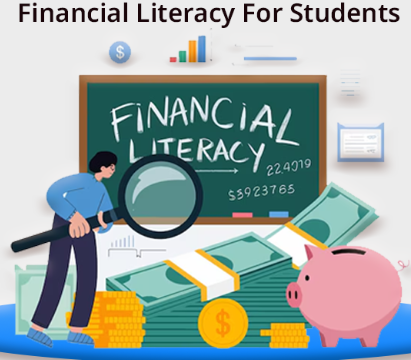
Learning about finance and stocks can have a positive impact on everyday decision-making.
While many people associate these topics with investing or business professionals, financial education offers practical benefits for anyone who wants to make more informed choices about money and long-term planning.
By understanding key concepts and developing financial awareness, individuals can build confidence and improve the quality of their financial decisions.
One of the primary ways finance education encourages better choices is by helping people understand how money works. Learning about income, expenses, budgeting, and saving provides a clearer picture of personal financial health. This knowledge allows individuals to make decisions based on facts rather than assumptions, leading to greater financial confidence and stability.
Budgeting is an excellent example of how financial learning can influence daily choices. When individuals understand how to create and follow a budget, they are often better prepared to manage spending and prioritize important expenses. A budget serves as a guide that supports thoughtful decision-making and helps people stay focused on their financial goals.
Stock market education also contributes to stronger decision-making skills. Learning how stocks represent ownership in businesses helps individuals better understand the connection between company performance and market value. This knowledge encourages a broader perspective and helps people evaluate financial information more effectively.
Another important benefit of finance and stock learning is improved risk awareness. Every financial decision involves some level of uncertainty, whether it relates to spending, saving, or investing. Understanding how risk works helps individuals evaluate opportunities more carefully and make balanced decisions that align with their goals and comfort levels.
Long-term thinking is another valuable lesson that comes from financial education. Many successful financial strategies emphasize patience, consistency, and planning rather than focusing on short-term results. Learning this mindset can encourage individuals to make decisions that support lasting financial well-being rather than immediate satisfaction.
Financial learning also helps reduce the influence of emotions on decision-making. When people understand financial principles, they are often better equipped to remain calm and thoughtful when facing changing circumstances. This can lead to more consistent and rational choices over time.
Another advantage is increased confidence. As knowledge grows, individuals often feel more comfortable discussing financial topics, evaluating opportunities, and making decisions independently. Confidence built through education can support personal growth and improve overall financial management.
Finance and stock learning are valuable tools for building better habits and making smarter choices. By understanding budgeting, saving, investing, risk management, and long-term planning, individuals can develop practical skills that support informed decisions, financial confidence, and long-term success in everyday life.