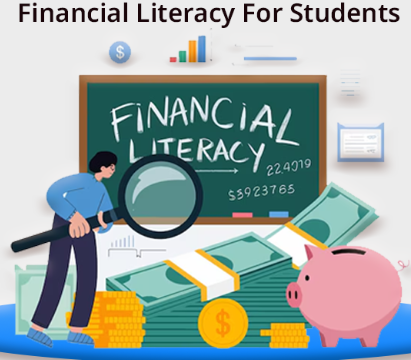
Learning about finance and stocks is a journey that develops over time.
While many people focus on short-term results, long-term learning often provides the strongest foundation for understanding financial markets and making informed decisions.
Building consistent habits can help beginners and experienced learners alike gain knowledge, improve confidence, and develop a deeper appreciation for financial concepts.
One of the most valuable habits is setting aside time for regular learning. Financial markets and economic conditions constantly evolve, making it important to stay informed. Reading educational articles, books, and trusted financial resources can help individuals gradually build knowledge without feeling overwhelmed. Consistent learning often leads to a stronger understanding than trying to absorb too much information at once.
Another helpful habit is following market developments with curiosity rather than emotion. Stock prices naturally rise and fall, and daily movements can sometimes appear dramatic. Viewing market activity as a learning opportunity instead of reacting to every change can help individuals develop a more balanced perspective. This approach encourages patience and supports long-term growth in financial knowledge.
Keeping a financial journal can also be beneficial. Writing down observations, lessons learned, and questions about finance or stocks helps reinforce understanding. Reviewing past notes can reveal progress over time and highlight areas where additional learning may be useful.
Learning basic financial concepts is equally important. Topics such as budgeting, saving, diversification, risk management, and long-term planning provide a strong foundation for understanding more advanced financial ideas. A solid grasp of these fundamentals can make future learning easier and more meaningful.
Another valuable habit is focusing on long-term trends rather than short-term noise. Financial markets often experience temporary fluctuations, but studying broader patterns can help learners better understand how economic growth, innovation, and business performance influence investments over time.
Patience is a key part of long-term financial education. Developing expertise rarely happens quickly, and meaningful understanding often comes from years of observation and practice. Individuals who approach finance with a willingness to learn steadily are more likely to build lasting confidence.
Finance and stock learning is not about knowing everything immediately. It is about building knowledge step by step through consistent effort and curiosity. By reading regularly, following market developments thoughtfully, studying core concepts, keeping notes, and maintaining a long-term perspective, individuals can develop strong financial habits that support continuous learning and greater confidence throughout their financial journey.