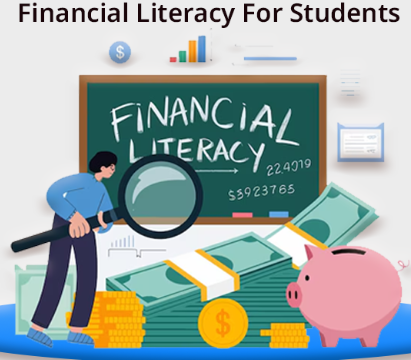
Financial literacy plays an important role in helping people make informed decisions about their money.
In today’s fast-changing world, understanding basic finance and stock market concepts can support better planning, smarter spending habits, and greater confidence when managing personal finances.
While financial topics may seem complex at first, learning the fundamentals can make them much easier to understand and apply in everyday life.
Finance is the study of how money is earned, saved, spent, and invested. It covers a wide range of topics, including budgeting, saving, debt management, and long-term financial planning. Developing financial knowledge allows individuals to understand how their daily choices can influence their future financial well-being. Even simple practices, such as tracking expenses and setting savings goals, can contribute to stronger financial habits over time.
The stock market is one area of finance that often attracts attention. It is a marketplace where shares of publicly traded companies are bought and sold. Learning how the stock market works can help people better understand business performance, economic trends, and investment principles. Financial literacy does not require active investing, but understanding market basics can provide valuable insight into how businesses and economies operate.
One important lesson in financial education is the concept of risk and reward. Different financial choices may offer varying levels of potential return and risk. Understanding this relationship encourages thoughtful decision-making rather than relying on assumptions or emotions. Financial literacy promotes careful evaluation of information and helps individuals develop realistic expectations about financial outcomes.
Another valuable aspect of finance and stock market knowledge is the ability to interpret financial information. News reports, economic updates, and company announcements often influence public discussions about money and investing. Individuals with a basic understanding of financial concepts are better equipped to evaluate information objectively and avoid common misunderstandings.
Financial literacy is not about becoming an expert overnight. It is a continuous learning process that grows through reading, observation, and practical experience. By gradually expanding knowledge, people can build confidence in managing personal finances and understanding broader economic developments.
Finance and stock market education can serve as useful tools for everyday life. Whether someone is creating a budget, planning future goals, or simply seeking a better understanding of economic topics, financial literacy provides a foundation for informed decision-making. With patience and consistent learning, anyone can improve their financial awareness and develop skills that support long-term financial understanding.