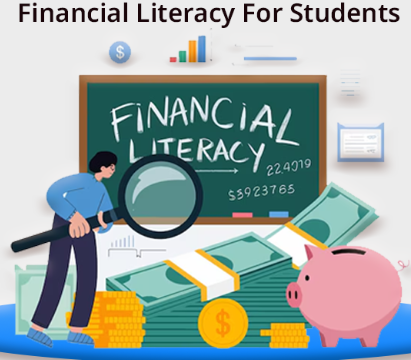
Finance and stock market education can provide a strong foundation for understanding how money, businesses, and economic systems work.
While many people view these topics as complex, the core concepts are often straightforward and highly relevant to everyday life.
By learning the basics, individuals can develop valuable skills that support informed decisions, financial awareness, and long-term confidence.
A strong financial foundation begins with understanding personal finance. This includes learning how income is earned, how expenses are managed, and how savings contribute to future goals. When individuals understand these essential concepts, they gain a clearer picture of their financial situation and become better equipped to make responsible choices. This knowledge creates a solid starting point for lifelong financial learning.
Budgeting is one of the most practical skills within financial education. A budget helps organize income and spending in a structured way, making it easier to monitor financial habits. By understanding where money is being used, individuals can make adjustments that support their priorities and goals. Budgeting encourages discipline and helps build habits that contribute to financial stability over time.
Saving is another important element of a strong financial foundation. Setting aside money on a regular basis helps prepare for future opportunities and unexpected situations. Saving also teaches patience and consistency, which are valuable qualities in financial planning. Even small contributions can grow over time and demonstrate the benefits of long-term thinking.
Stock market education adds another layer of understanding by introducing the concept of ownership in businesses. A stock represents a share in a company, allowing individuals to see how business performance and economic activity are connected. Learning this principle helps make financial news more understandable and provides insight into how markets function within the broader economy.
Risk awareness is also a key part of financial education. Every financial decision involves some level of uncertainty, and understanding this reality encourages thoughtful evaluation of choices. Learning about risk helps individuals approach financial situations with balance and realistic expectations, supporting better decision-making over time.
Long-term planning is another essential topic that strengthens financial foundations. Many financial goals require patience and steady effort rather than immediate results. Understanding the value of consistency helps individuals remain focused on their objectives and maintain confidence during changing circumstances.
Continuous learning is equally important. Financial markets, technology, and economic conditions evolve regularly, creating new opportunities to expand knowledge. Staying informed helps individuals adapt and strengthen their financial understanding throughout life.
Finance and stock market education for strong foundations includes budgeting, saving, stock market basics, risk awareness, and long-term planning. Together, these concepts create a framework that supports financial literacy, informed decision-making, and a confident approach to managing financial responsibilities and opportunities in the years ahead.