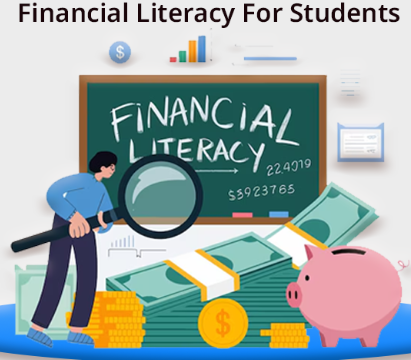
Learning about finance and stock markets can help people make smarter choices in many areas of life.
Financial knowledge provides a better understanding of how money works, how businesses operate, and how economic activity influences everyday decisions.
By taking the time to learn these topics, individuals can build confidence, improve financial awareness, and develop habits that support long-term success.
One of the first steps in financial learning is understanding personal finance. This includes learning how income, expenses, savings, and financial goals are connected. When people understand these basic concepts, they can make more informed decisions about how they manage their money. A strong foundation in personal finance helps create clarity and reduces uncertainty when making financial choices.
Budgeting is an important skill that supports smarter decision-making. A budget helps individuals organize their finances and understand where their money is being spent. By tracking income and expenses, people can identify patterns and make adjustments that align with their goals. This simple habit encourages responsibility and promotes greater financial awareness.
Saving is another key component of financial learning. Setting aside money on a regular basis helps individuals prepare for future needs and unexpected situations. Saving also encourages patience and long-term thinking, which are valuable qualities in both personal finance and broader financial planning. Consistent saving habits can contribute to a greater sense of financial stability.
Stock market education introduces learners to the concept of ownership in businesses. A stock represents a share of a company, allowing individuals to understand how businesses and financial markets are connected. Learning about stocks helps people better understand economic activity and the factors that influence business growth. This knowledge can make financial news easier to interpret and less intimidating.
Risk awareness is another important topic that supports smarter choices. Every financial decision involves some degree of uncertainty. Understanding risk helps individuals evaluate different options carefully and think about possible outcomes before making decisions. This balanced approach encourages thoughtful planning and reduces the likelihood of impulsive choices.
Long-term thinking is also essential. Many financial goals require time, consistency, and patience. Individuals who focus on gradual progress often develop stronger habits and are better prepared to handle changing circumstances. Long-term thinking encourages a stable approach to financial learning and decision-making.
Continuous education further strengthens financial understanding. Financial systems, markets, and economic conditions evolve over time. Staying informed through reading, observation, and learning helps individuals adapt and expand their knowledge.
Finance and stock market learning for smarter choices is built on understanding budgeting, saving, stock ownership, risk awareness, and long-term planning. These concepts help individuals develop stronger financial literacy and make decisions with greater confidence. By learning step by step and applying practical knowledge, anyone can build a solid foundation for smarter financial choices in everyday life.