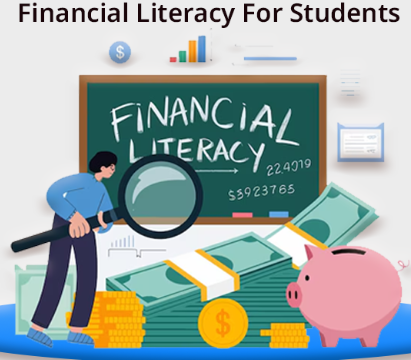
Finance and stock market knowledge can be useful far beyond the world of investing.
Many of the concepts associated with money management and financial markets can be applied to everyday life, helping individuals make informed decisions and build stronger financial habits.
By learning a few practical ideas, people can improve their financial awareness and develop skills that support long-term success.
One of the most valuable finance ideas for everyday use is understanding how to manage income and expenses. Knowing where money comes from and where it goes creates a clearer picture of personal finances. This awareness helps individuals make thoughtful choices and avoid unnecessary financial stress. A strong understanding of income and expenses is often the first step toward building financial confidence.
Budgeting is another practical idea that can benefit daily life. A budget acts as a guide for managing financial resources and setting priorities. It helps individuals track spending habits and identify opportunities to use money more effectively. By maintaining a simple budget, people can make better decisions and stay focused on their financial goals.
Saving is also an important concept that supports everyday financial well-being. Setting aside a portion of income regularly can help prepare for future needs and unexpected situations. Saving encourages discipline and demonstrates the value of consistency. Over time, even small savings habits can contribute to greater financial stability and peace of mind.
Stock market education introduces useful ideas that extend beyond investing. One example is understanding ownership. Stocks represent ownership in companies, which helps individuals learn how businesses operate and grow. This knowledge can provide valuable insight into the economy and make financial news easier to understand.
Another helpful idea is recognizing the importance of risk awareness. Every financial decision involves some level of uncertainty. Learning how to evaluate risks encourages thoughtful decision-making and helps individuals consider both opportunities and challenges before making choices. This skill can be applied to many areas of life, not just financial matters.
Long-term thinking is another concept that supports everyday success. Financial goals often require patience and consistent effort. By focusing on gradual progress rather than immediate results, individuals can make more balanced decisions and remain committed to their objectives. This mindset promotes stability and reduces the influence of short-term distractions.
Continuous learning is also a valuable habit. Financial markets, technology, and economic conditions continue to change over time. Staying curious and learning regularly helps individuals adapt and maintain a broader understanding of financial topics.
Finance and stock market ideas for everyday use include budgeting, saving, understanding ownership, evaluating risk, and thinking long term. These concepts help individuals build financial awareness, improve decision-making skills, and develop habits that support confidence and success in daily life.