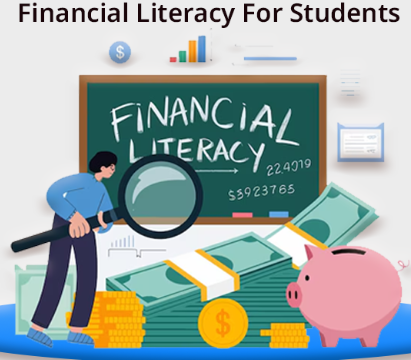
Finance and stock market education is not just about understanding money today.
It is also about building knowledge that remains valuable throughout life.
As financial systems, technologies, and economies continue to evolve, having a strong foundation in finance can help individuals adapt to changes and make informed decisions. Learning these topics gradually encourages confidence, awareness, and a mindset focused on continuous growth.
One of the most important finance basics is understanding personal money management. This includes learning how income, expenses, and savings work together. When individuals understand these core concepts, they are better prepared to make responsible financial decisions. This knowledge serves as a foundation that can support financial learning at every stage of life.
Budgeting is another essential skill that contributes to lifelong learning. A budget provides a simple way to organize finances and monitor spending habits. By regularly reviewing how money is used, individuals can identify areas for improvement and develop stronger financial discipline. Budgeting teaches valuable lessons about planning and prioritization that remain useful over time.
Saving is also a key concept that supports long-term financial understanding. Setting aside money regularly helps individuals prepare for future opportunities and unexpected situations. The habit of saving reinforces patience and demonstrates the value of consistent effort. These lessons extend beyond finances and encourage a thoughtful approach to long-term goals.
Stock market basics introduce learners to the relationship between businesses and financial markets. A stock represents ownership in a company, making it easier to understand how businesses grow and contribute to economic activity. Learning this concept helps individuals connect financial markets with real-world events and understand the broader economy more clearly.
Risk awareness is another important part of financial education. Every financial decision involves uncertainty, and understanding this principle encourages careful evaluation of choices. Learning about risk helps individuals develop balanced thinking and avoid making decisions based solely on emotions or short-term events.
Long-term thinking is especially valuable for lifelong learning. Financial growth often develops gradually through consistent habits rather than immediate results. Individuals who understand this principle are more likely to remain patient and committed to their goals. This mindset encourages resilience and supports steady progress over time.
Continuous learning is at the heart of financial literacy. Markets, businesses, and economic conditions change regularly, creating opportunities to learn new concepts and improve understanding. Staying curious and open to learning helps individuals remain informed and adaptable.
Finance and stock market basics for lifelong learning include budgeting, saving, stock ownership, risk awareness, and long-term planning. By developing these foundational skills and maintaining a commitment to continuous education, individuals can strengthen their financial literacy and build knowledge that remains valuable throughout their lives.