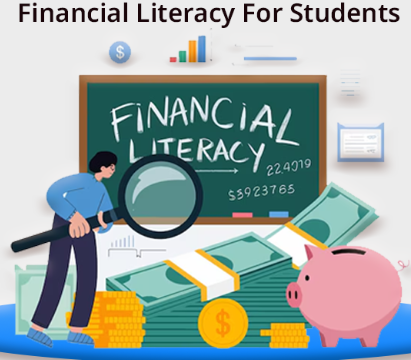
Financial awareness is an important skill that helps individuals understand how money works and how financial decisions can influence daily life.
Finance and stock market education provide valuable knowledge that supports informed decision-making, encourages responsible habits, and promotes a deeper understanding of economic activity.
By learning these topics, individuals can build confidence and develop practical skills that remain useful throughout life.
One of the key benefits of financial education is understanding the basics of personal finance. This includes learning about income, expenses, savings, and financial planning. When individuals understand how these elements work together, they gain a clearer picture of their financial situation. This awareness helps them make thoughtful choices and establish habits that support long-term stability.
Budgeting is an essential part of financial awareness. A budget serves as a guide for managing income and expenses in an organized way. It helps individuals understand spending patterns and identify opportunities to use resources more effectively. By practicing budgeting, people can improve their financial discipline and gain greater control over their finances.
Saving is another important topic that contributes to financial awareness. Learning the value of setting aside money regularly encourages patience and preparation. Savings can help support future goals and provide a sense of security during unexpected situations. Even small contributions made consistently can have a meaningful impact over time.
Stock market education expands financial awareness by introducing individuals to the relationship between businesses and financial markets. Understanding that stocks represent ownership in companies helps learners see how businesses grow and create value. This knowledge provides useful context when following financial news and understanding broader economic developments.
Another important concept is risk awareness. Every financial decision involves some level of uncertainty. Learning how to evaluate risk helps individuals think carefully about different options and understand that outcomes can vary. This balanced perspective supports more responsible decision-making and reduces the likelihood of acting on impulse.
Long-term thinking is also a valuable lesson within finance and stock market education. Many financial goals require time, consistency, and careful planning. Understanding the importance of patience helps individuals stay focused on gradual progress rather than short-term changes. This mindset encourages stability and supports sustainable financial growth.
Continuous learning further strengthens financial awareness. Financial systems, technologies, and economic conditions evolve over time, making ongoing education valuable. Staying informed helps individuals adapt to new information and expand their understanding of financial topics.
Finance and stock market education for financial awareness includes learning about budgeting, saving, stock ownership, risk management, and long-term planning. Together, these concepts help individuals build stronger financial literacy, improve decision-making skills, and develop a more informed approach to managing their financial lives.