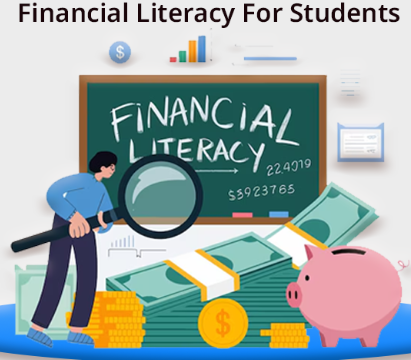
Financial awareness is an important part of making informed decisions and building confidence when managing money.
Finance and stock knowledge can help individuals better understand how financial systems work, how businesses operate, and how everyday decisions can influence long-term outcomes.
By learning key financial concepts, people can develop greater awareness and create habits that support a more organized and thoughtful approach to their finances.
One of the most valuable aspects of financial awareness is understanding personal money management. Knowing how income, expenses, and savings interact provides a clear picture of financial health. This knowledge helps individuals make decisions that align with their goals and encourages a greater sense of responsibility when managing resources. Financial awareness begins with understanding where money comes from and how it is used.
Budgeting is a practical skill that strengthens financial awareness. A budget helps track spending patterns and highlights areas where adjustments may be beneficial. By reviewing financial activity regularly, individuals can gain insight into their habits and make more informed choices. Budgeting also encourages planning, which can reduce uncertainty and improve financial confidence.
Saving is another essential component of financial awareness. Learning the importance of setting aside money regularly helps individuals prepare for future needs and unexpected situations. Saving promotes discipline and supports long-term thinking, both of which are valuable qualities in personal finance. Consistent saving habits often contribute to a stronger sense of financial security.
Stock market knowledge adds another layer to financial awareness. Understanding that stocks represent ownership in companies helps individuals connect financial markets with real-world business activity. This knowledge makes it easier to understand economic news, company performance, and market trends. As a result, individuals can develop a broader perspective on how businesses contribute to economic growth and financial opportunities.
Risk awareness is another important concept. Every financial decision involves some level of uncertainty, whether it relates to spending, saving, or investing. Learning how to evaluate risk helps individuals make balanced choices and develop realistic expectations. This understanding supports thoughtful decision-making and encourages careful planning.
Long-term thinking is also a key element of financial awareness. Meaningful financial progress often develops through consistent habits and steady effort. Individuals who focus on long-term goals are often better prepared to navigate short-term challenges while remaining committed to their objectives.
Finance and stock knowledge for better financial awareness is built on understanding budgeting, saving, stock ownership, risk management, and long-term planning. By learning these concepts and applying them consistently, individuals can improve their financial understanding, strengthen their decision-making skills, and develop greater confidence in managing financial opportunities and responsibilities throughout life.