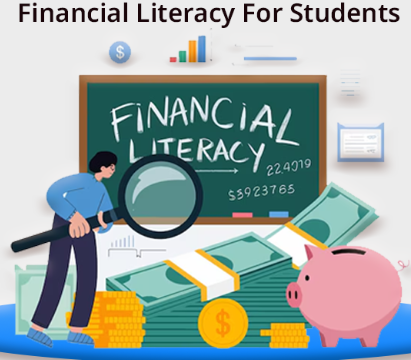
Learning about finance and stock markets can be a valuable way to improve financial awareness and develop greater confidence in understanding economic topics.
While these subjects may seem complex at first, building knowledge step by step can make them much easier to understand.
Confidence often comes from familiarity, and taking time to learn key concepts can help individuals feel more comfortable discussing financial matters and interpreting market information.
One of the most important finance topics is budgeting. A budget helps people understand how money moves in and out of their lives. By tracking income and expenses, individuals can gain a clearer picture of their financial habits and identify opportunities to improve money management. Understanding budgeting provides a strong foundation for exploring broader financial concepts.
Another useful topic is saving. Learning how savings accounts work, why emergency funds are important, and how consistent saving habits can support future goals helps create a sense of financial stability. Savings can serve as a foundation for handling unexpected expenses and planning for future opportunities.
Stock market education is another area that can build confidence. Understanding what stocks represent, how companies raise capital, and why stock prices change helps remove some of the mystery surrounding financial markets. Learning basic terminology such as shares, dividends, market indexes, and portfolio diversification allows beginners to follow financial news with greater understanding.
Risk management is also an important concept. Every financial decision involves some level of uncertainty, and understanding how risk works can help individuals evaluate information more effectively. Learning about diversification and long-term planning can provide a balanced perspective when studying financial topics.
Economic awareness contributes to financial confidence as well. Topics such as inflation, interest rates, employment trends, and consumer spending often influence financial markets and daily life. By understanding these connections, individuals can better interpret economic news and recognize how broader trends may affect businesses and consumers.
Financial literacy is not about predicting market outcomes or making quick decisions. Instead, it focuses on understanding principles, evaluating information, and developing informed perspectives. Building knowledge gradually can make finance and stock-related discussions feel more approachable and less intimidating.
As financial education grows, confidence often grows alongside it. By learning about budgeting, saving, stock market fundamentals, risk management, and economic trends, individuals can strengthen their understanding of important financial topics. Over time, this knowledge can support thoughtful decision-making and encourage a lifelong interest in financial learning.