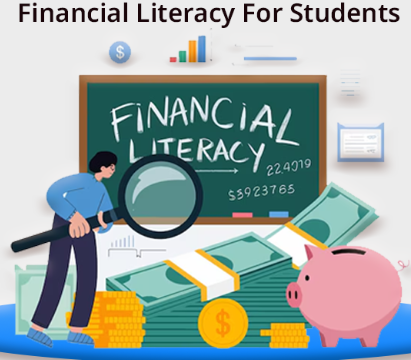
Financial literacy is an important life skill that helps individuals understand how money works and how financial decisions affect everyday life.
Developing finance and stock skills can play a major role in building this understanding.
These skills do not require advanced expertise at the beginning. Instead, they grow through simple learning, regular practice, and a willingness to explore how financial systems function.
One of the key foundations of financial literacy is understanding personal finance. This includes learning how income is earned, how expenses are managed, and how savings are built over time. When individuals understand these basic elements, they can make more informed decisions about their daily spending and long-term financial planning. This awareness is often the first step toward stronger financial confidence.
Budgeting is another essential skill that supports financial literacy. A budget helps organize money in a clear and structured way, allowing individuals to see where their resources are going. By creating a simple spending plan, people can prioritize important needs, reduce unnecessary expenses, and work steadily toward financial goals. This habit strengthens discipline and encourages responsible money management.
Saving is also a core financial skill that promotes literacy. Regular saving habits help individuals prepare for unexpected situations and future opportunities. Understanding the importance of saving teaches patience and long-term thinking. Over time, even small and consistent contributions can build a strong financial foundation that supports greater stability.
Stock market knowledge adds another important layer to financial literacy. Learning that stocks represent ownership in companies helps individuals understand how businesses grow and contribute to the economy. This basic concept makes financial markets more understandable and less intimidating. It also helps learners connect real-world business activity with financial outcomes.
Understanding risk is another important part of financial education. Every financial decision involves some level of uncertainty. Learning how to evaluate risk helps individuals make balanced choices and avoid decisions based only on emotion or assumptions. This skill improves judgment and supports more thoughtful financial behavior.
Long-term thinking is equally important in developing financial literacy. Financial growth and stability often come from consistent habits rather than quick decisions. Understanding this principle encourages patience and helps individuals stay focused on meaningful financial goals over time.
Continuous learning strengthens all financial skills. As financial systems evolve, staying informed helps individuals adapt and improve their understanding. Reading, exploring new topics, and learning from experience all contribute to stronger financial literacy.
Finance and stock skills that promote financial literacy include budgeting, saving, understanding stocks, risk awareness, and long-term planning. By developing these abilities, individuals can build a clearer understanding of financial concepts, improve decision-making, and gain confidence in managing their financial lives effectively.