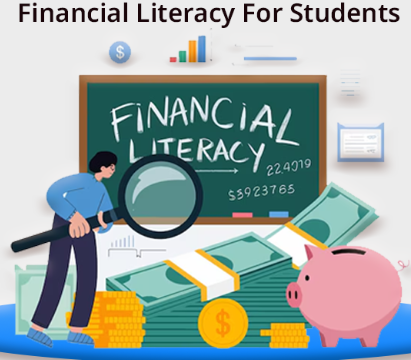
Building strong financial knowledge is an important step toward making better decisions in everyday life.
Whether someone is managing household expenses, saving for future goals, or learning about stock markets, understanding basic financial concepts can provide valuable guidance.
Finance and stock knowledge is not only for professionals. It is a practical skill that can help people develop better planning habits and greater awareness of how money works.
One of the main benefits of financial education is the ability to create realistic plans. When people understand income, expenses, savings, and budgeting, they can make choices that align with their goals. Financial knowledge encourages individuals to think ahead rather than focusing only on short-term needs. This approach can support more organized decision-making and help people prepare for future opportunities and responsibilities.
Learning about stocks can also contribute to broader financial awareness. Stocks represent ownership shares in companies, and studying them often introduces learners to concepts such as business performance, market trends, and economic conditions. While stock prices may rise and fall over time, understanding how markets operate can help people become more informed consumers of financial information.
Better planning often begins with gathering reliable information. Reading educational resources, following financial news, and exploring beginner-friendly learning materials can help build confidence. Over time, consistent learning can improve a person’s ability to evaluate information and understand the factors that influence financial decisions. Knowledge does not guarantee outcomes, but it can help people approach choices with greater clarity.
Another important aspect of financial education is goal setting. People may have different objectives, such as building an emergency fund, saving for education, or preparing for retirement. Financial knowledge helps individuals understand the steps involved in working toward these goals. By breaking large goals into smaller, manageable actions, planning can become more practical and less overwhelming.
Technology has also made financial learning more accessible than ever. Educational websites, online courses, articles, and digital tools allow people to explore financial topics at their own pace. These resources can help beginners learn fundamental concepts while giving experienced learners opportunities to expand their understanding.
Finance and stock knowledge can serve as a foundation for thoughtful planning. By learning key concepts, staying informed, and maintaining a long-term perspective, individuals can strengthen their financial awareness and make decisions that support their personal goals. Continuous learning is often one of the most valuable investments a person can make in their financial future.