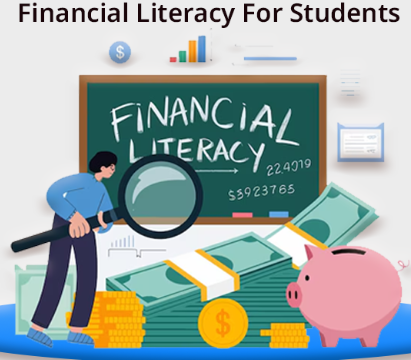
Learning about finance and stocks can help people make informed decisions about money and long-term financial goals.
While the world of investing may seem complicated at first, understanding a few key principles can build a strong foundation and increase confidence when exploring financial topics.
Finance is the study of how money is earned, managed, saved, and used. It includes everyday activities such as budgeting, saving for future expenses, and planning for important life goals. Good financial habits often begin with understanding income, expenses, and the importance of setting realistic financial priorities. By tracking spending and maintaining a balanced budget, individuals can gain better control over their financial resources.
One important principle in finance is the value of saving. Saving regularly can help prepare for unexpected expenses and future opportunities. Even small contributions over time may grow into meaningful financial reserves. Consistency is often more important than the size of each contribution, making regular saving a practical habit for many people.
Another key concept is diversification. In financial discussions, diversification refers to spreading investments across different assets rather than relying on a single investment. This approach is commonly discussed because different investments may perform differently under various market conditions. Diversification is often considered a way to support balanced financial planning and reduce exposure to a single source of risk.
Stocks represent ownership shares in a company. When individuals purchase stocks, they become shareholders and may benefit if the company performs well over time. Stock prices can rise or fall based on many factors, including business performance, industry trends, and broader economic conditions. Understanding that stock values can fluctuate is an important part of learning about investing.
Long-term thinking is another principle often associated with stock market education. Markets may experience periods of growth as well as temporary declines. Many financial educators emphasize the importance of focusing on long-term goals rather than reacting to short-term market movements. Patience and continuous learning can help individuals better understand how markets operate.
Financial literacy also involves evaluating information carefully. Reliable sources, educational materials, and thoughtful research can help people gain a clearer understanding of financial topics. Taking time to learn before making decisions encourages a more informed approach to managing money and exploring investment concepts.
Understanding key finance and stock principles is not about predicting future market outcomes. Instead, it is about developing knowledge, building healthy financial habits, and improving awareness of how money and investments work. With continued learning and practical application, financial education can become a valuable tool for making thoughtful and responsible decisions.