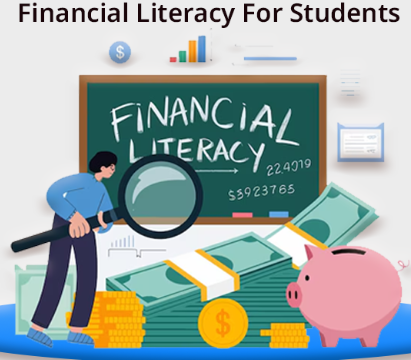
Exploring finance and stock topics can help individuals develop stronger thinking skills that are useful in everyday life.
These subjects encourage careful analysis, patience, and a better understanding of how money and businesses work.
When approached in a simple and practical way, financial education can support smarter decision-making and build confidence over time.
One important topic that encourages smart thinking is budgeting. Budgeting teaches individuals how to organize income and expenses in a structured way. This process helps people evaluate their choices more carefully and prioritize what matters most. By understanding how money flows in and out, individuals can develop clearer thinking patterns when making financial decisions.
Another valuable area of learning is saving habits. Saving encourages forward thinking and helps individuals plan for both expected and unexpected needs. It also teaches discipline and consistency, which are important qualities for making thoughtful decisions in other areas of life. Understanding the purpose of saving can lead to a more balanced approach to spending and planning.
Stock market basics also promote analytical thinking. Learning that stocks represent ownership in companies helps individuals connect financial markets with real-world business activity. This understanding encourages people to think beyond price movements and consider the underlying performance and potential of companies. As a result, financial decisions become more informed and less emotional.
Another topic that supports smart thinking is risk awareness. Every financial decision involves some level of uncertainty, whether it relates to spending, saving, or investing. Learning how to evaluate risk helps individuals weigh possible outcomes and choose options more carefully. This skill strengthens logical thinking and reduces impulsive decision-making.
Diversification is another important concept that encourages balanced thinking. It involves spreading financial attention across different areas rather than focusing on a single option. This idea teaches the importance of balance and helps individuals understand how variety can reduce uncertainty in financial planning.
Long-term thinking is also essential in developing smart financial habits. Many financial outcomes do not happen instantly but develop over time through steady actions. Learning to focus on long-term goals rather than short-term changes helps individuals remain patient and consistent in their decisions.
Continuous learning plays a key role as well. Financial topics change over time, and staying informed helps individuals adapt and improve their understanding. Reading and exploring new information encourages curiosity and strengthens analytical thinking skills.
Finance and stock topics that encourage smart thinking include budgeting, saving, stock basics, risk awareness, diversification, and long-term planning. By learning these concepts, individuals can build stronger reasoning skills, make more informed decisions, and develop a clearer understanding of how financial systems work in everyday life.