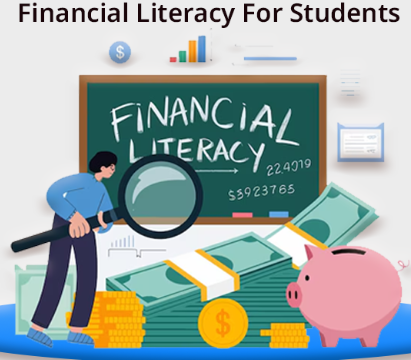
Finance and stock markets often appear complicated at first glance, but the core ideas behind them are actually simple and practical.
By breaking these topics down into clear and understandable concepts, anyone can begin to develop financial awareness without feeling overwhelmed.
The goal is not to master everything at once, but to gradually build knowledge that can be applied in everyday life.
At its foundation, finance is about how money is managed. This includes earning, spending, saving, and planning for the future. When individuals understand these basic elements, they gain a clearer picture of their personal financial situation. This awareness helps create better habits and supports more thoughtful decisions over time.
One of the simplest yet most important financial tools is budgeting. A budget helps organize income and expenses in a way that makes financial decisions easier to manage. Instead of guessing where money goes, a budget provides structure and clarity. This makes it easier to prioritize needs and avoid unnecessary financial stress.
Saving is another straightforward concept that plays a key role in financial stability. Setting aside money regularly, even in small amounts, can help prepare for future needs and unexpected situations. Saving is not about complexity, but consistency. Over time, this habit can provide a sense of security and flexibility in financial life.
Stock markets may seem more technical, but their basic idea is simple. A stock represents ownership in a company. When individuals buy stocks, they become partial owners of that business. This means they share in the company’s progress and long-term performance. Understanding this basic principle helps remove much of the confusion surrounding investing.
Stock prices change for several simple reasons. These include how well a company performs, how the economy is doing, and what investors expect in the future. While these changes may seem unpredictable, they follow patterns influenced by real-world events and business results.
Another important idea is risk. In finance and investing, risk simply means that outcomes are not guaranteed. Learning about risk helps individuals make more balanced decisions and understand that both gains and challenges are part of financial growth. This understanding encourages patience and realistic expectations.
Long-term thinking is also an important part of understanding finance without complexity. Financial progress often happens gradually, not instantly. Small, consistent actions such as saving regularly or learning basic investment concepts can lead to meaningful results over time.
By focusing on simple principles like budgeting, saving, ownership, risk, and long-term thinking, finance and stock markets become much easier to understand. With a steady learning approach, anyone can build confidence and develop practical financial knowledge without unnecessary complexity.