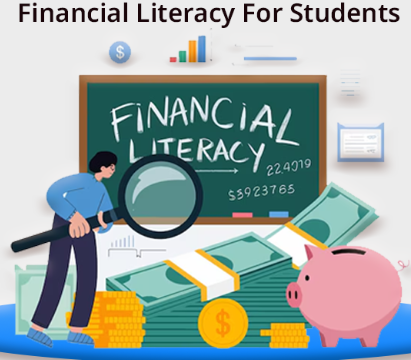
Finance and stock learning plays an important role in helping individuals build a clearer and more modern understanding of how money works.
In today’s fast-changing world, financial decisions are influenced by technology, global markets, and everyday spending habits.
Learning the basics of finance and stock markets can help individuals feel more confident and better prepared to manage their financial lives.
One of the key parts of modern financial understanding is learning how money flows in daily life. This includes income, expenses, savings, and planning for future needs. When individuals understand these basic elements, they can make more thoughtful decisions about how to use their resources. This awareness helps create a stronger foundation for financial stability and long-term planning.
Budgeting is a practical skill that supports modern financial understanding. A budget allows individuals to organize their spending and see where their money is going. With this clarity, it becomes easier to prioritize important needs and avoid unnecessary expenses. Budgeting also helps individuals stay aligned with their financial goals in a structured and realistic way.
Saving is another essential part of financial learning. Developing consistent saving habits helps prepare for future opportunities and unexpected situations. Savings can provide a sense of security and flexibility, making it easier to handle financial changes. Over time, even small saving habits can contribute to meaningful financial progress.
Stock market learning adds another layer to modern financial understanding. A stock represents ownership in a company, and this simple idea helps connect individuals to how businesses operate and grow. As companies develop and adapt to market conditions, their performance can influence stock values. Understanding this relationship helps learners see the connection between real-world business activity and financial markets.
Another important concept is risk awareness. Every financial decision involves some level of uncertainty. Learning how to evaluate risk helps individuals make balanced choices and avoid decisions based purely on emotion. This understanding encourages careful thinking and better long-term outcomes.
Modern financial understanding also involves recognizing the importance of long-term thinking. Financial growth and stability are usually achieved through consistent effort and patience rather than quick decisions. Individuals who focus on long-term goals are often better prepared to handle short-term changes and challenges.
Continuous learning is a key part of staying financially informed. As markets, technology, and economic conditions evolve, staying updated helps individuals maintain strong financial awareness. Learning regularly strengthens confidence and supports better decision-making over time.
Finance and stock learning for modern financial understanding provides practical knowledge that can be applied in everyday life. By understanding budgeting, saving, stock basics, risk awareness, and long-term planning, individuals can build stronger financial habits and develop a clearer, more confident approach to managing their financial future.