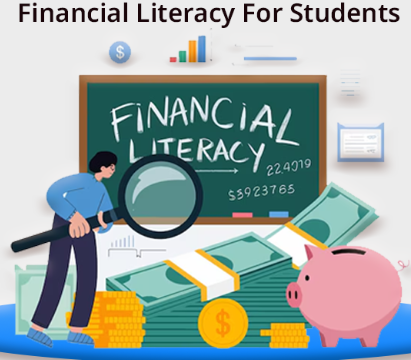
Developing finance and stock skills can help individuals gain a deeper understanding of how money, businesses, and financial markets work.
While these subjects may seem complex at first, learning the fundamentals can make everyday financial decisions easier and more informed.
Financial understanding is not limited to investors or professionals. It is a practical skill that can benefit anyone who wants to manage money more effectively and plan for the future with greater confidence.
One of the most important finance skills is understanding the relationship between income and expenses. Knowing how money is earned and where it is spent provides a clear picture of personal financial health. This awareness helps individuals make thoughtful decisions and identify opportunities to improve financial habits. Over time, a stronger understanding of cash flow can lead to better financial organization and stability.
Budgeting is another valuable skill that supports financial understanding. A budget serves as a roadmap for managing resources and setting priorities. By tracking spending and reviewing financial activity regularly, individuals can gain insight into their habits and make adjustments that align with their goals. Budgeting encourages responsibility and helps create a stronger sense of control over finances.
Saving is equally important in building financial knowledge. Learning how to save consistently teaches discipline and long-term thinking. Savings can provide support during unexpected situations while also helping individuals prepare for future opportunities. Understanding the role of saving is a key step toward achieving greater financial confidence.
Stock market skills add another dimension to financial understanding. Learning that stocks represent ownership in companies helps individuals connect financial markets with real businesses. This knowledge provides insight into how companies grow, generate value, and respond to changing economic conditions. Understanding these relationships can make financial news and market developments easier to interpret.
Another important skill is risk awareness. Every financial decision involves some level of uncertainty. Learning how to evaluate risk helps individuals make balanced choices and develop realistic expectations. This understanding supports careful planning and encourages informed decision-making rather than emotional reactions.
Long-term thinking is also an essential financial skill. Meaningful financial progress often develops through patience and consistency. Individuals who focus on long-term goals are often better equipped to navigate temporary challenges and remain committed to their objectives.
Continuous learning strengthens financial understanding even further. Reading educational resources, exploring financial concepts, and staying informed about economic developments can gradually expand knowledge and confidence. Small learning efforts completed regularly can lead to significant growth over time.
Finance and stock skills provide valuable tools for better financial understanding. By learning about budgeting, saving, stock ownership, risk management, and long-term planning, individuals can develop practical knowledge that supports informed decisions, stronger financial awareness, and greater confidence in managing everyday financial responsibilities.