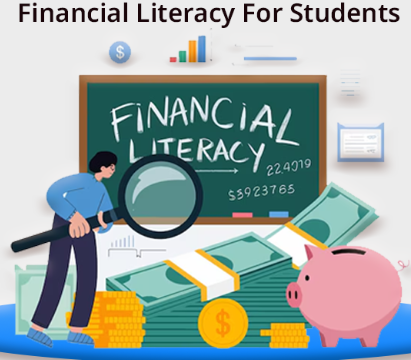
In today’s fast-changing world, financial knowledge and stock market awareness have become increasingly important skills.
These abilities are not only useful for investors or professionals but also valuable for anyone who wants to manage money wisely, make informed decisions, and plan for the future.
Understanding a few essential finance and stock skills can help individuals navigate everyday financial choices with greater confidence.
One of the most important skills is financial awareness. This involves understanding how income, expenses, savings, and budgeting work together. When individuals are aware of their financial situation, they can make better decisions about spending and saving. This awareness helps create a sense of control and reduces uncertainty in daily financial life.
Another essential skill is budgeting. A well-structured budget allows people to organize their money in a way that aligns with their goals and priorities. It helps ensure that necessary expenses are covered while also making room for savings. In today’s world, where financial responsibilities can change quickly, budgeting remains a reliable foundation for stability.
Saving is another key financial skill that supports long-term success. Developing the habit of saving regularly helps individuals prepare for unexpected expenses and future opportunities. Over time, consistent saving can provide a sense of security and support larger financial goals such as education, travel, or retirement planning.
When it comes to stock market knowledge, understanding basic principles is increasingly valuable. Knowing that stocks represent ownership in companies helps individuals better understand how businesses grow and how financial markets function. This knowledge can make financial news and market trends easier to interpret.
Risk awareness is also an important skill in both finance and investing. Every financial decision carries some level of uncertainty, and being able to recognize and evaluate risk helps individuals make more balanced choices. This skill encourages thoughtful planning rather than impulsive decisions.
Another important area is critical thinking. In a world full of financial information, being able to analyze and evaluate different sources is essential. Critical thinking helps individuals avoid misinformation and focus on reliable financial insights.
Long-term thinking is equally important in today’s financial environment. Instead of focusing only on immediate results, successful financial planning often involves patience and consistency. This mindset supports better decision-making and helps individuals stay focused on their goals even when conditions change.
Finance and stock skills are not limited to professionals. They are practical tools that can benefit anyone. By developing financial awareness, budgeting skills, saving habits, stock market understanding, risk awareness, and long-term thinking, individuals can improve their ability to make informed decisions. These skills play an important role in building financial confidence and adapting to the demands of today’s world.