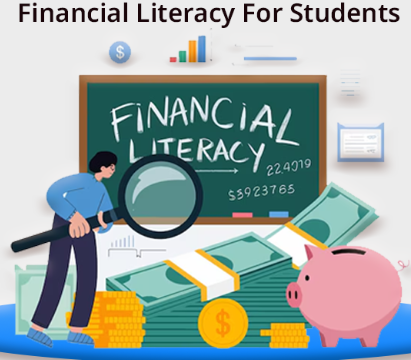
Finance and stock market education is valuable for people at every stage of their learning journey.
Whether someone is just beginning to explore financial concepts or has years of experience managing money and following market trends, there is always something new to learn.
The flexibility of financial education makes it accessible to a wide range of individuals, helping them build confidence and make more informed decisions over time.
For beginners, finance education often starts with understanding the basics of income, expenses, budgeting, and saving. These simple concepts provide a strong foundation for managing money responsibly. Learning how to track spending and create realistic financial goals can help individuals gain greater control over their finances and develop habits that support long-term stability.
As learners become more comfortable with financial topics, they may begin exploring stock market fundamentals. Understanding that stocks represent ownership in companies is an important first step. This knowledge helps explain how businesses grow, how markets operate, and why stock prices can change over time. Learning these concepts can make financial news and market discussions easier to understand.
For individuals with more experience, finance and stock education can expand into broader topics such as diversification, risk management, and long-term planning. These concepts encourage thoughtful decision-making and highlight the importance of balancing opportunities with potential challenges. Even experienced learners often continue exploring new ideas and strategies as markets and economic conditions evolve.
One reason finance and stock learning works for all experience levels is that the subject is constantly changing. New technologies, business innovations, and economic developments create fresh opportunities for learning. Staying informed helps individuals adapt to changes and improve their understanding of financial trends.
Another valuable aspect of financial education is its practical nature. The lessons learned can often be applied to everyday decisions. Understanding how to budget, save, evaluate opportunities, and plan for the future can support better choices regardless of a person’s level of experience.
Patience is also an important lesson that applies to everyone. Financial knowledge develops gradually, and meaningful understanding is often built through consistent learning rather than quick results. Each new concept adds to a stronger overall foundation.
Finance and stock education are not limited to a specific age group, profession, or level of expertise. The principles can be adapted to meet the needs of beginners, intermediate learners, and experienced individuals alike. By continuing to learn about budgeting, saving, investing, risk management, diversification, and financial planning, people can strengthen their financial awareness and build confidence that supports long-term success throughout every stage of life.