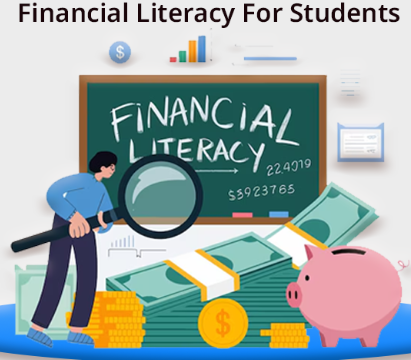
Understanding finance and stock market concepts can help individuals make more informed decisions in many areas of life.
While not everyone plans to become an investor or financial expert, having a basic understanding of how money, savings, and investments work can provide valuable insights and increase confidence when making financial choices.
These skills support both short-term decision-making and long-term financial planning.
One of the main benefits of finance knowledge is improved money management. When individuals understand concepts such as budgeting, saving, and spending, they are better equipped to make choices that align with their financial goals. This awareness helps create a stronger foundation for managing daily expenses and planning for future needs.
Stock market knowledge can also contribute to better decision-making by providing a broader understanding of how businesses and economies operate. Learning how companies grow, generate revenue, and create value can help individuals better understand economic trends and market developments. This knowledge often encourages a more thoughtful approach to financial planning.
Another advantage is the ability to evaluate opportunities more effectively. Individuals with a basic understanding of finance are often better prepared to compare options, assess potential outcomes, and make informed decisions. Rather than relying solely on opinions or assumptions, they can use knowledge and analysis to guide their choices.
Understanding risk is another important aspect of financial education. Every financial decision involves some level of uncertainty. Learning about risk and reward helps individuals develop realistic expectations and avoid making decisions based purely on emotions. This balanced perspective can be valuable in both personal finance and investing.
Finance and stock knowledge also encourage long-term thinking. Instead of focusing only on immediate results, individuals often learn the importance of patience, planning, and consistency. This mindset can help support better decisions related to saving, investing, and achieving personal financial goals.
In addition, financial education can improve confidence. People who understand basic financial concepts are often more comfortable discussing money-related topics and making important financial decisions. Confidence can reduce stress and help individuals approach financial matters with greater clarity.
The value of finance and stock knowledge extends beyond investing. It influences how people manage resources, plan for the future, and respond to changing circumstances. By learning about budgeting, saving, investing, risk management, and financial planning, individuals can build practical skills that support better decisions throughout life. These skills contribute to greater financial awareness, stronger confidence, and a more secure path toward long-term success.